
Experience: Tokyo walking tour
Viator
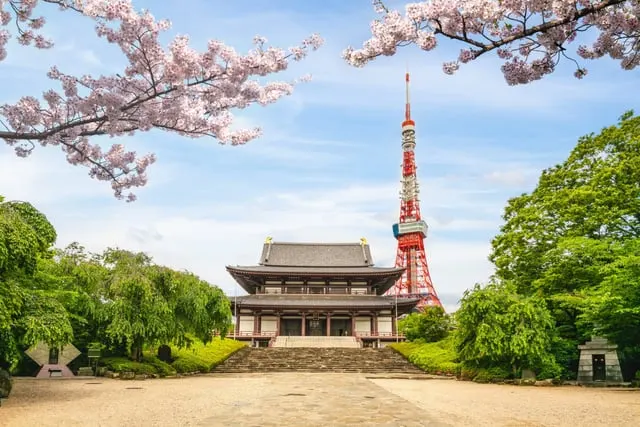
Tokyo pairs centuries-old temples and gardens with rail-linked neighbourhoods of shops, museums and skyscraper viewpoints, so one city can fill days of very different walks.
Each day follows neighbourhoods, opening hours and golden hour, with a light leaving day at the end.
We may earn a commission when you book through partner links, at no extra cost to you.
How Troovz stays freeTemporarily closedMiraikan
Three days add Roppongi Hills, Tokyo Tower, teamLab Borderless and the National Art Center, Tokyo.
Long weekend · 3 days · 2 adults ·
 1
1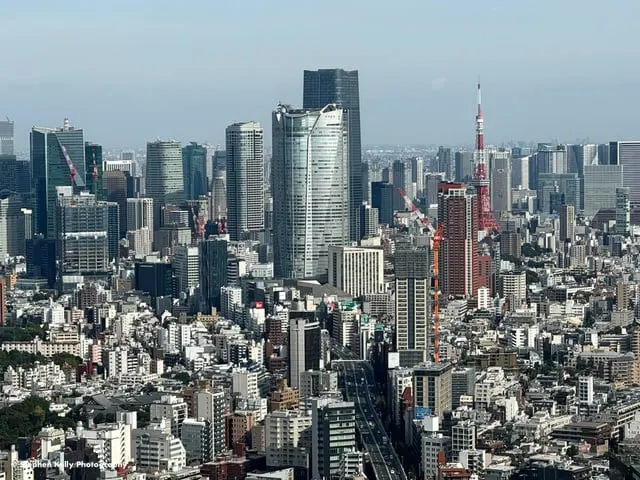 2
2 3
3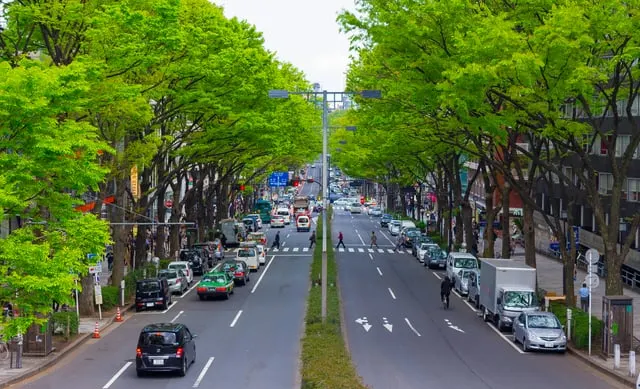 4
4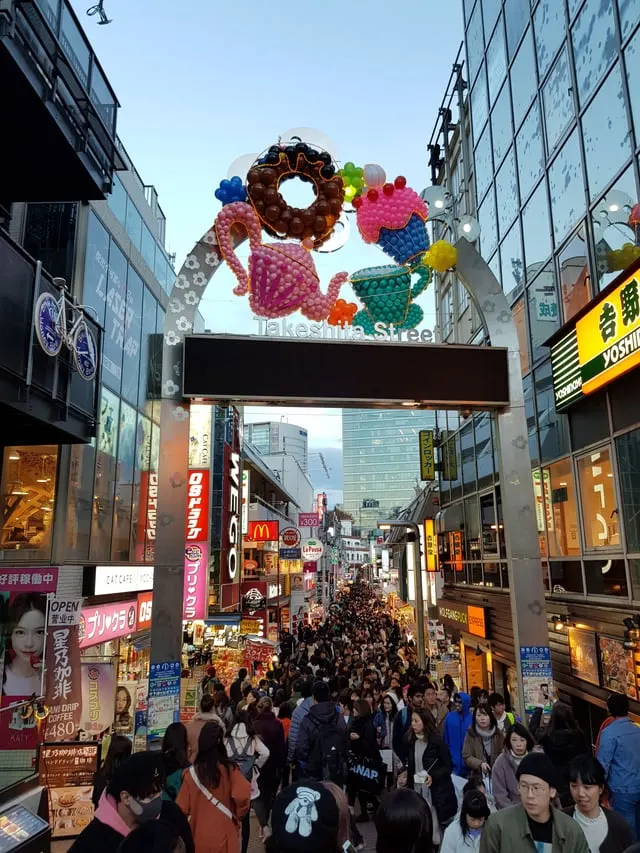 5
5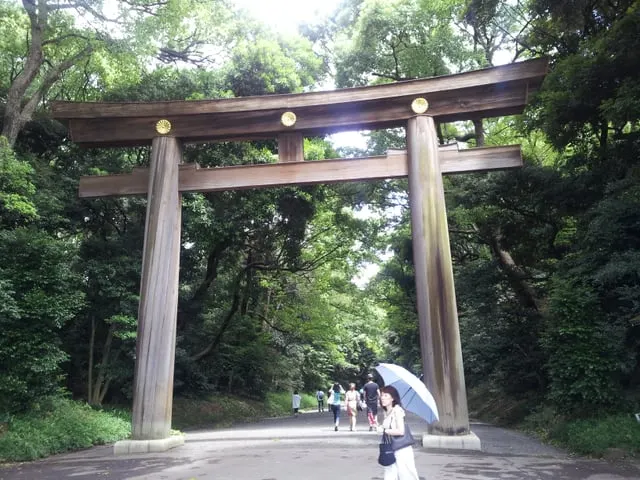 6
6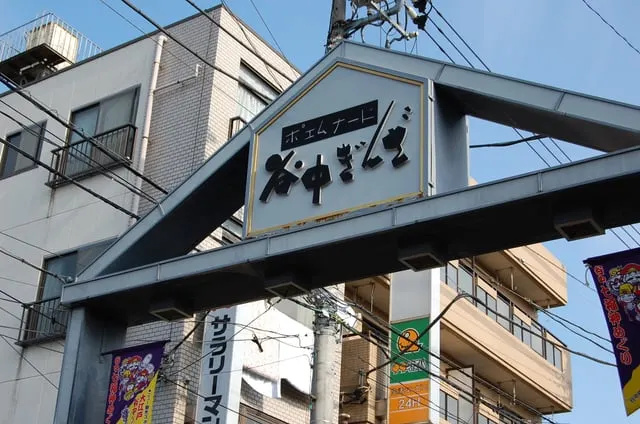 7
7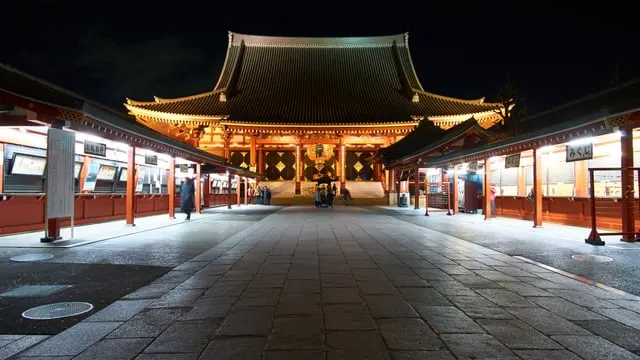 8
8 9
9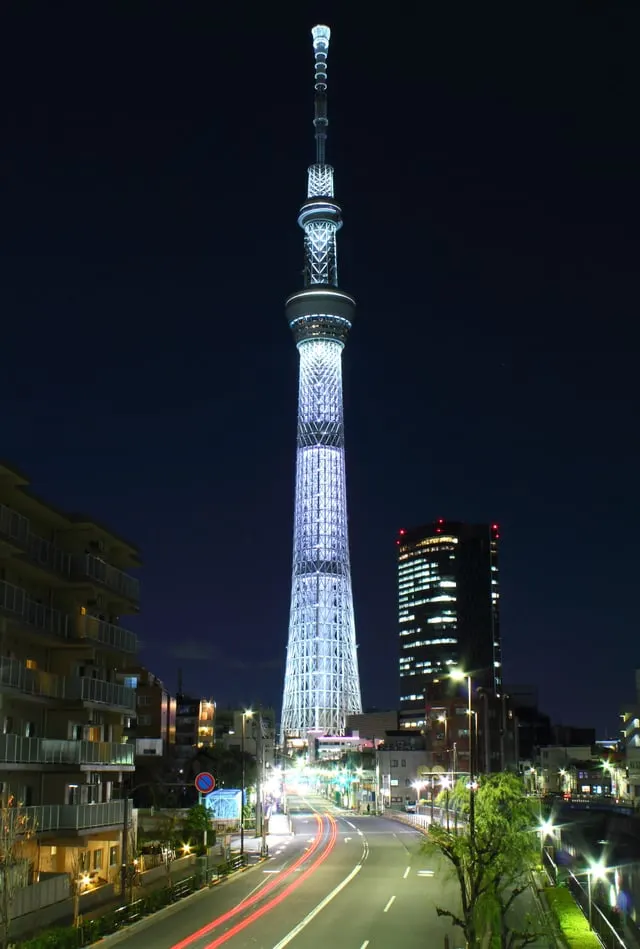 10
106–8 min walk
10:00 Shibuya Sky · Morning · 1–2 h3–4 min walk
11:03 Shibuya Scramble Crossing · Morning · 15–30 min15–20 min walk
11:33 Omotesando · Morning · 45–90 min3–4 min walk
12:21 Takeshita Street · Midday · 30–60 min13–17 min walk
13:04 Meiji Jingu · Midday · 1–2 hTokyo Metro Ginza Line + Ueno-Tokyo Line · about 27–31 min
14:35 Yanaka Ginza · Afternoon · 45–90 minTokyo Metro Ginza Line · about 5–7 min
15:27 Senso-ji · Afternoon · 45–75 min8–10 min walk
16:20 Nakamise Shopping Street · Afternoon · 20–40 min19–25 min walk
16:59 Tokyo Skytree · Afternoon · 1–2 h11–14 min walk
10:11 Tsukiji Outer Market · Morning · 1–2 h8–10 min walk
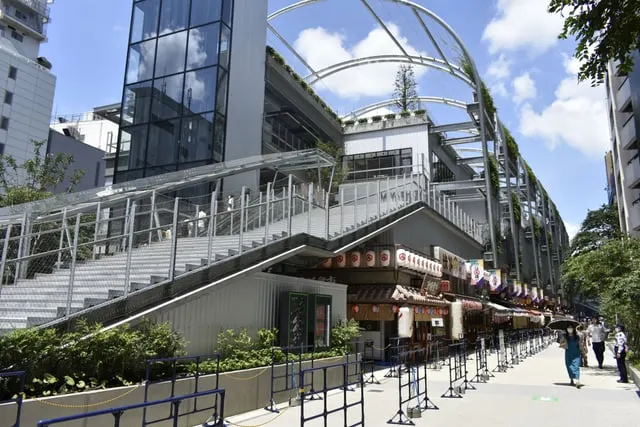
11:19 Kabuki-za Theatre · Morning · 1–4 h7–9 min walk
12:26 Ginza Six · Midday · 30–60 min3–4 min walk
12:59 Ginza · Midday · 1–2 h17–22 min walk
14:16 Tokyo Station Marunouchi Building · Afternoon · 20–45 min12–16 min walk
14:48 Imperial Palace East Gardens · Afternoon · 45–90 minTokyo Metro Hanzomon Line · about 16–21 min
15:54 Yoyogi Park · Afternoon · 45–90 minAbout 5 min by taxi
16:49 Tokyo Metropolitan Government Building observatories · Afternoon · 30–60 minAbout 13 min by taxi
10:26 The National Art Center, Tokyo · Morning · 60–90 min11–14 min walk
11:37 Tokyo City View · Morning · 45–75 min1 min walk
12:23 Roppongi Hills · Midday · 30–60 min16–21 min walk
13:09 teamLab Borderless · Midday · 2–3 h11–14 min walk
15:20 Tokyo Tower · Afternoon · 60–90 minAbout 12 min by taxi
16:44 Toyosu Market · Afternoon · 60–90 minFlights, car rental and airport transfers for your trip: 3 days · 1 adult.
We may earn a commission when you book through partner links, at no extra cost to you.
How Troovz stays freeFly from anywhere, to anywhere.
Pick an area, then a place that fits your budget and style.
First time? We suggest for the sights.
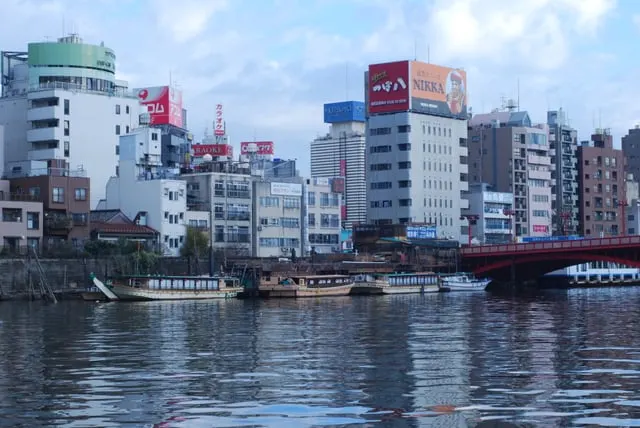
Tokyo's old downtown: a temple, craft streets and views of the Skytree.
Tours and tickets matched to your plan and interests. Tap the heart to save one for Build your own.
We may earn a commission when you book through partner links, at no extra cost to you.
How Troovz stays freeViator
Viator
Viator
Open to visitors, with a few customs.
Temples
Temples are usually open to visitors, though inner shrines are often reserved for worshippers. Visitors are usually asked to dress modestly, with shoulders and knees covered, and to take their shoes off where asked, usually before prayer halls. Visitors usually keep their voices down and a respectful distance from altars and offerings, and photographing people praying usually needs their permission first. Rules can vary, so please follow any instructions and ask the staff on arrival.
What to sort before your 3-day trip, plus a few useful words.
We may earn a commission when you book through partner links, at no extra cost to you.
How Troovz stays freePlug type A, B
100 V, 50 Hz
Mobile data for your trip. Set it up before you fly.
per plan, one phone
See plans(opens in a new tab)Leave your bags for a few hours or a day.
per bag a day
Find storage(opens in a new tab)Tap to hear.
Places to eat near your plan and your stay. Tap the heart to save one.
Chosen from places featured in respected travel and food guides, or on a halal certifier's list, as of October 2026. We don't take payment to include a place.
Please confirm with the restaurant if you have any allergies.
 11 min from Yanaka GinzaTypical Steamed chestnuts
Steamed chestnuts. · Ueno & Yanaka
Price level$
Sources
Price level: Source: Waguriya, checked Oct 2026
 21 min from Tsukiji Outer MarketTypical Tuna sushi
Tuna sushi, sashimi or rice bowl, by cut. · Ginza & Tsukiji
Price level$
Sources
Price level: Source: Time Out, checked Oct 2026
 31 min from teamLab BorderlessTypical An omakase course of nigiri and hand rolls
An omakase course of nigiri and hand rolls. · Roppongi & Minato
Price level$$$
Sources
Price level: Source: Time Out, checked Oct 2026
 41 min from Senso-ji
Tempura rice bowl with prawn and fish. · Asakusa & Sumida
Price level$$
Sources
Price level: Source: Tempura Daikokuya, checked Oct 2026
 51 min from Yanaka GinzaTypical Freshly roasted coffee
Freshly roasted coffee. · Ueno & Yanaka
Price level$
Sources
Price level: Source: fun-japan.jp, checked Oct 2026
 62 min from Takeshita StreetTypical Pasta and pizza
Pasta and pizza, with a cafe counter and grocery market. · Shibuya, Harajuku & Omotesando
Price level$$
Sources
Price level: Source: Eataly Harajuku, checked Oct 2026
No places near your plan with this option
 39Typical Miso ramen with chilli heat and a numbing pepper kick
Miso ramen with chilli heat and a numbing pepper kick. · Akihabara & Kanda
Price level$
Sources
Price level: Source: Kikanbo, checked Oct 2026
 40
40Cold soba noodles, or hot soba with duck. · Akihabara & Kanda
Price level$
Sources
Price level: Source: Kanda Yabu Soba, checked Oct 2026
 41Typical A seasonal vegetable-based dessert
A seasonal vegetable-based dessert, such as shaved ice or a chestnut mont blanc. · Roppongi & Minato
Price level$$
Sources
Price level: Source: Azabu Yasaigashi, checked Oct 2026
 42
42Tsukemen with a shrimp-based dipping broth. · Shinjuku
Price level$
Sources
Price level: Source: Tsukemen Gonokami Seisakusho, checked Oct 2026
 43Typical Ricotta hotcakes with banana
Ricotta hotcakes with banana. · Odaiba & Toyosu
Price level$$
Vegan optionsVegetarian options
Sources
Vegan options: Source: the restaurant's own menu
Vegetarian options: Source: cdn.gltjp.com, checked Oct 2026
Price level: Source: bills, checked Oct 2026
 44Typical Matcha latte
Matcha latte. · Ueno & Yanaka
Price level$
Sources
Price level: Source: Rurubu, checked Oct 2026
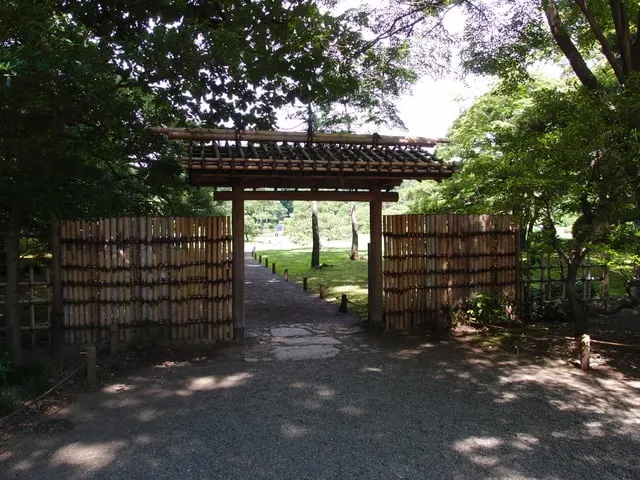
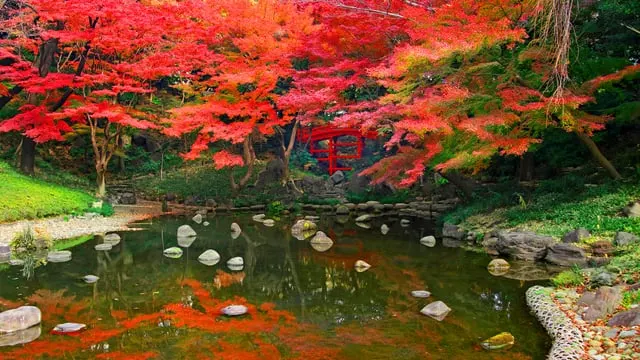
Green escapes and the sea, a short trip from the centre. Planning information only.
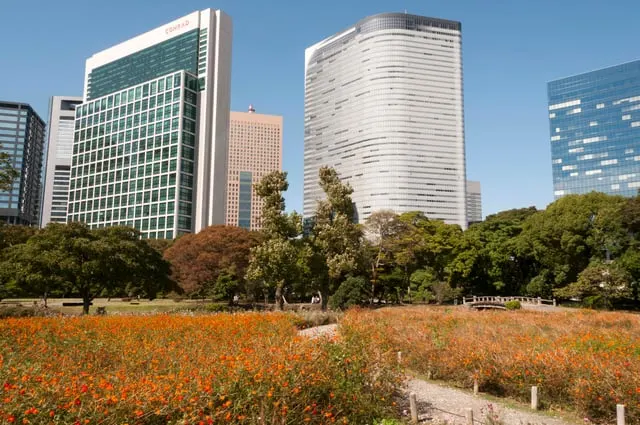

Free entry
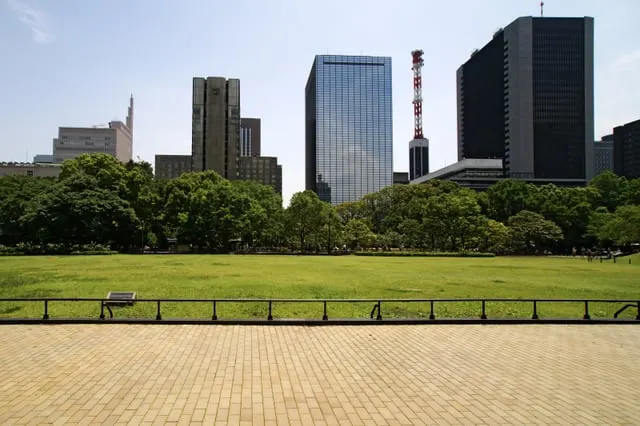
Open public space
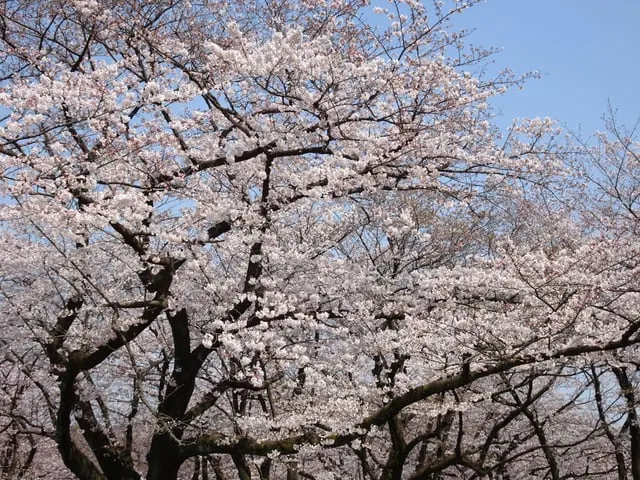
Free entry
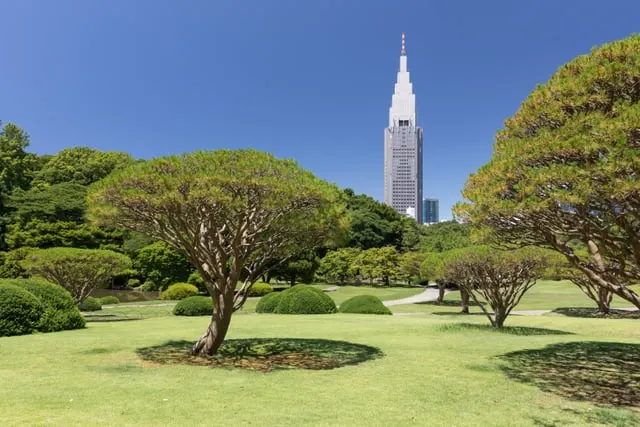
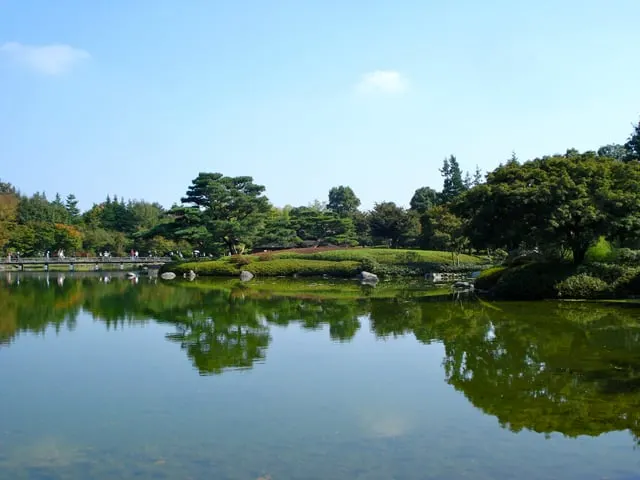
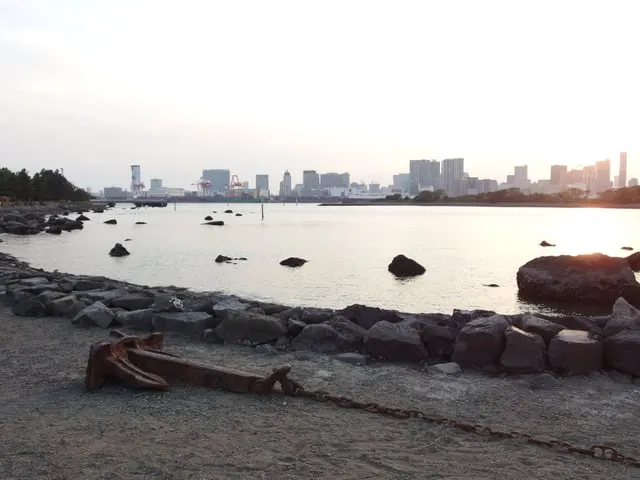
Open public space
Maps and trail data © OpenStreetMap contributors (ODbL).
One card for most rides on public transport. Airport routes are in Flights.
A PASMO card made for international visitors, valid for 28 days from purchase. It works on Tokyo-area trains, subways and buses and at shops that show the PASMO logo.
Per person, paid locally · as of October 2026
Taxis in the 23 wards start at 500 yen for the first kilometre and add 100 yen for each further 232 metres, with a 20% late-night surcharge from 22:00 to 05:00. From Haneda, terminal taxi stands use fixed fares to most wards, roughly 7,600 to 11,200 yen, and from Narita fixed fares run from 21,000 to 30,000 yen by zone, booked in advance; tolls are extra. These rates are set by the taxi association, not by any ride-hailing app.
Taxis: GO, Uber usually works here for booking licensed taxis.
Your 3-day plan usesTram and metroTaxi
Typical costs, and how to pay.
Excluding your stay.
| Per person, per day | Budget | Mid-range | Comfort |
|---|---|---|---|
| Breakfast | ¥630 | ¥750 | ¥5,000 |
| Lunch | ¥638 | ¥1,000 | ¥3,000 |
| Dinner | ¥1,000 | ¥3,000 | ¥20,000 |
| Drinks | ¥366 | ¥1,283 | ¥1,808 |
| Getting around | ¥700 | ¥700 | ¥1,700 |
| Sights (entry tickets) | ¥4,500 | ¥4,500 | ¥4,500 |
| Total a day | ¥7,834 | ¥11,233 | ¥36,008 |
Sights are counted at the standard entry ticket. Guided tours cost more. Prices as of October 2026.
Typical prices, as of October 2026
Cards are widely accepted at hotels, department stores, large shops and many chain restaurants, and tap-to-pay with a phone or transit card is common. Many small restaurants, temples and local shops are still cash-only, so carry some yen.
as of October 2026
ATMs run by banks are usually cheaper than stand-alone machines, though many banks also charge foreign cards a fee. If asked, choose to be charged in Japanese Yen. Your own bank may also charge a foreign-use fee. Check with your bank before you go.
Tipping is usually not expected in restaurants, taxis or hotels. Menu prices are normally shown with tax included, though a few restaurants add a seating or table charge.
as of October 2026
Asakusa & Sumida
Seasons, weather, and the events and holidays that change opening hours, crowds and prices.
Average highAverage lowRainy days
Typical, based on past years. Not a forecast.
| Month | Average high | Average low | Rainy days |
|---|---|---|---|
| January | 9° | 1° | 7 days |
| January is usually dry and sunny but cold, with the deepest chill in mid to late month, short days and snow only rarely. | |||
| February | 10° | 2° | 8 days |
| February is usually still cold but a little milder, with a mix of sunny and cloudy days, little rain and rare snow. | |||
| March | 13° | 5° | 12 days |
| March is usually chilly but comfortable, warming through the month, with a few rainy days likely and snow uncommon. | |||
| April | 18° | 10° | 12 days |
| April is usually warm and mild and good for walking, though some days can be windy. | |||
| May | 23° | 15° | 12 days |
| May is usually mild and pleasant and fairly dry, with a few rainy days and cool evenings. | |||
| June | 25° | 19° | 15 days |
| June usually brings the start of the rainy season, with many cloudy and rainy days and humid air that feels warmer than it is. | |||
| July | 29° | 23° | 14 days |
| July is usually hot and humid, with the rainy season ending during the month, then sudden heavy showers and strong sun. | |||
| August | 31° | 25° | 13 days |
| August is usually very hot and humid by day and night, with brief heavy downpours, often in the evening, and some chance of typhoons. | |||
| September | 27° | 21° | 15 days |
| September usually keeps the summer heat and humidity early on and is one of the rainier months, with typhoons possible. | |||
| October | 22° | 15° | 14 days |
| October is usually mild and increasingly comfortable, with falling humidity and cooler evenings, though rain and the odd typhoon are possible. | |||
| November | 16° | 9° | 11 days |
| November is usually relatively dry, with sunny days that feel warm but windy, chilly evenings, especially late in the month. | |||
| December | 11° | 4° | 8 days |
| December is usually cool and dry, chillier from mid-month, with a coat needed and only a small chance of snow. | |||
Dec · Jan · Feb
Tokyo winters are usually cold but dry and often sunny, with short days and only occasional snow. It is the season for New Year shrine visits and for city illuminations that often run on into February. Many businesses close for the first days of January.
Mar · Apr · May
Spring warms up through March into pleasant, mild weather, and cherry blossoms usually appear around late March to early April. Showers and windy days happen, and the Golden Week holidays at the end of April and early May bring crowds and busy transport.
Jun · Jul · Aug
Summer starts with the rainy season, usually from early June to around the middle of July, with many grey, humid days. Then it turns hot and very humid, with sudden heavy showers and strong sun, and typhoons can begin to approach by August. Fireworks, festivals and Obon-season events fill the calendar.
Sep · Oct · Nov
Early autumn can stay hot and wet, and September is one of the rainier months, with typhoons possible into October. By October and November the air turns mild and drier, and ginkgo and maple colours usually peak from mid-November into December. It is a busy season for events and for visitors.
Coming up in the next 12 months. to see what falls during your trip.
Screenings, talks and events are spread across the Hibiya, Marunouchi and Ginza area. The page shows ticket pages but not whether tickets are on sale.
A national holiday. Shops and sights are usually open, but local visitors increase, so popular places are typically busier.
A national holiday. Shops and sights are usually open, but local visitors increase, so popular places are typically busier.
Quick answers to common questions.
Spring and autumn are usually the most comfortable seasons in Tokyo. Cherry blossom usually appears from late March into early April, and autumn leaf colour usually peaks from mid-November into December. Summer is hot and humid, with the rainy season from early June to around the middle of July and typhoons possible in late summer, while winter is cold, dry and often sunny. As of 11 Oct 2026.
Japan uses the yen (JPY). Cards are widely accepted at hotels, department stores, large shops and many chain restaurants, and phone or transit-card payments are common. Many small restaurants, temples and local shops are still cash-only, so carry some yen. As of 11 Oct 2026.
A single subway or train ride in the city typically costs a few hundred yen, depending on distance, and tapping a prepaid transit card is the usual way to pay. The Tokyo Subway Ticket for visitors costs ¥1,000 for one day, ¥1,500 for two days or ¥2,000 for three days on Tokyo Metro and Toei subway lines. Check the current options and where to buy them before you go. As of 11 Oct 2026.
From Narita, the Keisei Skyliner runs direct to Ueno and costs ¥2,465 for the Ueno route, while other routes to the city take longer and cost more, for example ¥2,659 to Shinjuku with a change at Nippori. From Haneda, the Keikyu line or the Tokyo Monorail usually reaches central Tokyo without a long journey. As of 11 Oct 2026.
Tipping is usually not expected in restaurants, taxis or hotels in Japan. Menu prices are normally shown with tax included, though a few restaurants add a seating or table charge. As of 11 Oct 2026.
Three days covers a first round of the main areas at a comfortable pace, and a week allows slower days, museums and a day trip. Large sights take time: Senso-ji usually takes about 45 to 75 minutes, Meiji Jingu about 60 to 120 minutes and a major museum about 120 to 180 minutes. Planning around two main sights a day is realistic. As of 11 Oct 2026.
Tokyo can be done on a modest budget. Our research puts a plausible budget day at roughly ¥1,923 for food and local transport, and a more comfortable day at around ¥5,111, before sights and a place to stay. A small accommodation tax per person per night applies to stays at the higher room rates, and it is due to change to a percentage of the room rate, so check the Tokyo Metropolitan Government's current rules before you book. As of 11 Oct 2026.
Trains and subways are usually the easiest way to move around Tokyo. A prepaid transit card such as TOURIST PASMO or Mobile PASMO lets you tap in at the gate, and taxis start at 500 yen for the first kilometre. English signs and announcements are common at larger stations. As of 11 Oct 2026.
Yes. A free shuttle bus links all three terminals, usually about every 4 minutes by day and with no booking needed, from early morning to after midnight. Passengers connecting to or from an international flight can also ask at an information counter for a free train ticket between terminals. The Tokyo Monorail runs from every terminal into central Tokyo. Minimum connection times depend on your airline and ticket type, so check with your airline. As of 14 Oct 2026.

