Marzamemi: cruise
Viator
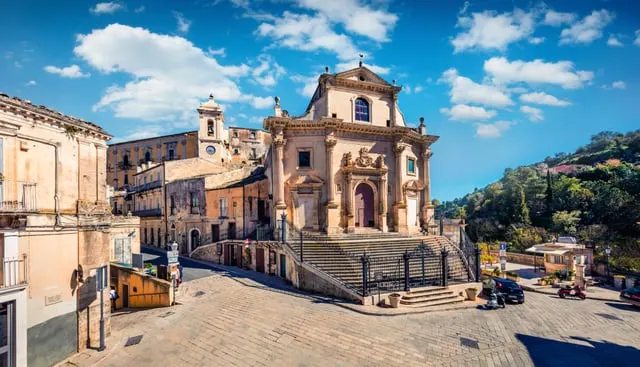
Sicily is the largest island in the Mediterranean, where Greek temples, Arab-Norman churches and Baroque towns lie within a few hours of each other. Mount Etna rises over the east coast, and beaches, hill villages and fishing harbours line the shore. Food is a reason to come in itself, from street snacks in Palermo to pastries and ice cream in almost every town.
Maps and trail data © OpenStreetMap contributors (ODbL).
Long weekend · 3 days · 2 adults ·
Between the bases you usually travel by road: neighbouring bases are typically 30 minutes to about two hours apart, and the longest runs, such as Trapani to Noto or Siracusa, take about five hours. A rental car is usually the easiest way to join several bases in one trip, and the builder plans these legs by road.
 1
 2
 3
 4
usually 57–114 min by road
11:39 Cappella Palatina (Palatine Chapel) · Morning · 45–90 min9–12 min walk
12:33 Palermo · Midday · 4–8 husually 10–20 min by road
15:53 Monreale Cathedral · Afternoon · 45–120 minusually 61–122 min by road
14:02 Corso Umberto (Taormina) · Afternoon · 30–90 min2–3 min walk
14:34 Taormina · Afternoon · 2–4 h24–31 min walk
16:58 Castelmola · Afternoon · 1–2 h2–3 min walk
12:02 Palazzo Nicolaci di Villadorata (Noto) · Midday · 45–90 minusually 38–76 min by road
14:03 Fountain of Arethusa · Afternoon · 15–30 min4–5 min walk
14:22 Piazza del Duomo (Ortigia) · Afternoon · 20–45 min3–4 min walk
14:45 Ortigia · Afternoon · 2–4 h6–8 min walk
16:51 Temple of Apollo (Ortigia) · Afternoon · 10–20 minFlights, car rental, airport transfers and ferries for your trip: 3 days · 1 adult.
We may earn a commission when you book through partner links, at no extra cost to you.
How Troovz stays freeFly from anywhere, to anywhere.
Pick a base for each part of your trip. Road times are typical ranges; traffic can make them longer.
We may earn a commission when you book through partner links, at no extra cost to you.
How Troovz stays freeTours and tickets matched to your plan and interests. Tap the heart to save one for Build your own.
We may earn a commission when you book through partner links, at no extra cost to you.
How Troovz stays freeViator
Viator
Viator
Viator
Viator
Viator
Viator
Viator
Tours, day trips and more on Viator
Browse all toursOpen to visitors, with a few customs.
Churches
Churches are usually open to visitors outside services, and some areas may close while a service is on. Visitors are usually asked to dress modestly, with shoulders and knees covered, and to keep their voices down. Photography rules usually vary, and flash is often not allowed. Rules can vary, so please follow any instructions and ask the staff on arrival.
What to sort before your 3-day trip, plus a few useful words.
We may earn a commission when you book through partner links, at no extra cost to you.
How Troovz stays freePlug type C, F, L
230 V, 50 Hz
Mobile data for your trip. Set it up before you fly.
per plan, one phone
See plans(opens in a new tab)Leave your bags for a few hours or a day.
per bag a day
Find storage(opens in a new tab)Tap to hear.
Places to eat near your plan and your stay. Tap the heart to save one.
Chosen from places featured in respected travel and food guides, or on a halal certifier's list, as of October 2026. We don't take payment to include a place.
Please confirm with the restaurant if you have any allergies.
 11 min from Noto
Ricotta cannolo · Noto & the Baroque south-east
Price level$
Sources
Price level: Source: Own website, checked Oct 2026
 21 min from Piazza del Duomo (Ortigia)
Ricotta ravioli with cherry tomato sauce and Ragusano cheese flakes · Syracuse & Ortigia
Price level$$$
Sources
Price level: Source: Regina Lucia, checked Oct 2026
 32 min from Cefalù Cathedral
Saffron egg spaghetti with sardine sauce, pine nuts and wild fennel · Cefalù & the Madonie
Price level$$$
Vegetarian options
Sources
Vegetarian options: Source: the restaurant's own menu
Price level: Source: Cortile Pepe, checked Oct 2026
 42 min from Ortigia
Arancina with spinach and mozzarella, fried to order · Syracuse & Ortigia
Price level$
Gluten-free options
Sources
Gluten-free options: Source: the restaurant's own menu
Price level: Source: Pasticceria Artale, checked Oct 2026
 56 min from Taormina
Fish couscous with prawns, calamari, mussels and clams · Taormina & Giardini Naxos
Price level$$$
Sources
Price level: Source: Al Saraceno, checked Oct 2026
 610 min from Taormina
Pasta alla Norma with tomato, fried aubergine and ricotta · Taormina & Giardini Naxos
Price level$$
Sources
Price level: Source: Trattoria da Nino, checked Oct 2026
No places near your plan with this option
 8
Bucatini with sardines and wild fennel, finished with pine nuts, raisins and saffron. · Palermo & Monreale
Price level$$$
Gluten-free options
Sources
Gluten-free options: Source: the restaurant's own menu
Price level: Source: Buatta Cucina Popolana, checked Oct 2026
 9
Cannolo alla ricotta, a crisp shell filled with sweet ricotta. · Catania & Mount Etna
Price level$
Sources
Price level: Source: Pasticceria Savia own menu, checked Oct 2026
 10
Minestra di sarde, sardine soup from the grandmother's recipe · Agrigento & the south coast
Price level$$$
Vegetarian options
Sources
Vegetarian options: Source: the restaurant's own menu
Price level: Source: Hostaria del Vicolo, checked Oct 2026
 11
Spaghetti with black lentils from Leonforte and raw celery. · Palermo & Monreale
Price level$$$$
Vegetarian options
Sources
Vegetarian options: Source: the restaurant's own menu
Price level: Source: Osteria dei Vespri, checked Oct 2026
 12
Mezzi paccheri with scampi, clams and baked tomatoes · Taormina & Giardini Naxos
Price level$$$$
Vegetarian options
Sources
Vegetarian options: Source: the restaurant's own menu
Price level: Source: La Capinera, checked Oct 2026
 13
Insalata di baccala, cooked salt cod with oregano oil, almond sauce, olives, capers and orange. · Catania & Mount Etna
Price level$$
Gluten-free options
Sources
Gluten-free options: Source: the restaurant's own menu
Price level: Source: Materia | Spazio Cucina, checked Oct 2026
Green escapes and the sea, a short trip from the centre. Planning information only.

About EUR 4

Free entry

About EUR 30

Open public space

About EUR 5
Most trips here go by road, with a driver or a taxi; buses cover only some routes. Airport routes are in Flights.
Taxis in Palermo and Catania run on a meter and have fixed prices from the airports to the centre. Catania has set its airport fare at EUR 27 to Piazza Duomo and the Central Station on a trial basis, and Palermo uses three fixed zone prices, usually EUR 39 to EUR 50. Ask the fare before you set off, and check the posted tariff in the car. Free Now, Uber and appTaxi also work in the cities.
Driving gives the most freedom outside the cities, with motorways linking Palermo, Catania and Messina (some are toll roads) and slower country roads in between. Historic centres, for example the island of Ortigia in Siracusa, are limited-traffic zones that most cars cannot enter at night or on Sundays and holidays, so it is usually easiest to park outside and walk in. Rental firms typically ask for a driving licence, an ID document and a card in the driver's name for the deposit.
Single and day tickets for the whole network of city buses and the tram in Palermo, run by AMAT. A single ticket is valid for 90 minutes from the first validation. A day ticket runs until the end of service on the day you validate it, and multi-day tickets for 2, 3 and 7 days are sold as well.
Per person, paid locally · as of October 2026
Your 3-day plan usesTaxi
Typical costs, and how to pay.
Excluding your stay.
| Per person, per day | Budget | Mid-range | Comfort |
|---|---|---|---|
| Breakfast | EUR 3 | EUR 4 | EUR 14 |
| Lunch | EUR 6 | EUR 16 | EUR 18 |
| Dinner | EUR 16 | EUR 18 | EUR 42 |
| Drinks | EUR 5 | EUR 8 | EUR 12 |
| Getting around | EUR 4 | EUR 4 | EUR 16 |
| Sights (entry tickets) | EUR 25 | EUR 25 | EUR 25 |
| Total a day | EUR 59 | EUR 75 | EUR 127 |
Sights are counted at the standard entry ticket. Guided tours cost more.
Typical prices, as of October 2026
Visa and Mastercard are widely accepted in cities and busy tourist areas, while American Express is less common. Markets, small cafés, family-run places and smaller towns often prefer cash, so carry some euros.
ATMs run by banks are usually cheaper than stand-alone machines, though many banks also charge foreign cards a fee. If asked, choose to be charged in Euro. Your own bank may also charge a foreign-use fee. Check with your bank before you go.
Tipping is optional in Italy. Many restaurants add a cover charge per person (coperto), which goes to the restaurant rather than the server, and if a service charge is listed on the bill no extra tip is expected. Otherwise a euro or two per person, or rounding up, is typical, usually in cash because tips often cannot be added to a card payment.
Palermo & Monreale
Seasons, weather, and the events and holidays that change opening hours, crowds and prices.
Quick answers to common questions.
Sicily is a large island, so most visitors choose one or two bases and add day trips rather than try to see everything. Big archaeological sites take time: the Valley of the Temples usually needs about 120 to 240 minutes and Mount Etna about 180 to 300 minutes. Island trips such as the Aeolians usually fill a whole day. As of 29 Oct 2026.
Guides usually describe spring and autumn as the most comfortable seasons for sightseeing and walking. July and August are typically the hottest and busiest months, with the peak around mid-August, while winter is usually the quietest stretch and wetter. Beach and island plans suit summer and the early autumn weeks, when the sea is at its warmest. As of 29 Oct 2026.
At Catania, the Alibus runs to the centre for EUR 4 and the drive is usually about 12 minutes. At Palermo, the airport bus costs EUR 6 one way, and a regional train and fixed-fare taxis also serve the city, with a taxi to the historic centre at EUR 44. Trapani, Comiso and Catania each have their own airport links, so check your base before you book. As of 29 Oct 2026.
Palermo and Catania run city buses, Palermo also has a tram, and Catania has a small metro. A bus ticket typically costs EUR 1.40 and is valid for 90 minutes, a single Catania metro ride costs EUR 1, and a city day ticket costs EUR 3.50. There is no visitor travel card, so tickets are bought in the operator's app, at shops or machines, or from the driver for a small extra charge. As of 29 Oct 2026.
Many visitors hire a car, because buses and trains between smaller towns and the coast are less frequent and the island is large. Regional trains link the main cities and cost from EUR 2.20 for a second-class single, and coaches fill many of the gaps. A car typically needs a valid licence, an ID document and a credit or debit card in the main driver's name for the deposit. As of 29 Oct 2026.
Taxis run on a meter in the cities. In Catania the minimum fare is EUR 7, and a trip from Palermo airport to the historic centre is a fixed fare of EUR 44. Ride apps that connect you to local taxis work in Palermo and Catania, and fares usually rise at night and on holidays. As of 29 Oct 2026.
Tipping is optional. Many restaurants add a cover charge per person, usually about 1 to 3 euros, which goes to the restaurant and is not a tip, and some list a service charge, in which case no extra tip is expected. Where neither appears, people often leave a small amount or round up the bill. As of 29 Oct 2026.
Visa and Mastercard are widely accepted in cities and busy tourist areas, and American Express is less common. Smaller towns, family-run places, markets and street vendors often prefer cash, so carry some euros in small notes. Cash machines at bank branches are usually the better choice, since standalone and airport machines can add a fee. As of 29 Oct 2026.
Each town sets its own accommodation tax, charged per person per night for a limited number of nights. Palermo charges EUR 4 per person per night for short-term rentals and other stays, with hotel rates varying by star rating. It is usually paid at the property, so ask your host what applies in the town where you stay. As of 29 Oct 2026.
Sicily uses type C, F and L sockets, so visitors from the UK, the US and many other countries typically need an adapter. The mains voltage is 230 volts, so check that your chargers and devices accept it before you plug in. As of 29 Oct 2026.
English is usually understood in hotels, larger restaurants and busy sights, and less often in small towns, markets and local transport. A national ranking scores Italy's English at 513, a moderate level, with Palermo scoring higher than the national figure. A few words of Italian are usually appreciated. As of 29 Oct 2026.
Sicily is typically moderate by western European standards, and prices vary by town, with Taormina usually pricier and Agrigento cheaper. Our typical day costs about EUR 39.88 on a budget, EUR 53.80 at mid-range and EUR 103.35 at a comfortable level, excluding accommodation. Entry fees at big sites such as Segesta and Selinunte are typically EUR 14 each. As of 29 Oct 2026.
Palermo Cathedral and Cefalù Cathedral both list free entry to the church itself, with extra tickets only for towers, roofs or museums. Old towns, seafront walks, squares and street markets in cities such as Palermo, Catania and Ortigia are open public spaces you can wander at no cost. Torre Salsa nature reserve also lists free access. As of 29 Oct 2026.
The Aeolian Islands leave from Milazzo, with hydrofoils or ferries taking about 60 to 180 minutes depending on the island, and a visit usually fills a full day. The Egadi Islands leave from Trapani and typically take about 30 to 75 minutes by hydrofoil. Many visitors choose one island per day. As of 29 Oct 2026.
Hydrofoils and ferries link Sicily with the Aeolian and Egadi Islands, Ustica, Pantelleria and Malta, and the operators publish their own timetables and booking pages. The foot-passenger ferry across the Strait of Messina typically costs EUR 2.50 one way. Island fares change by season and route, so check the operator's page before you travel. As of 29 Oct 2026.
A licence issued in an EU country is accepted in Italy, and drivers with a licence from elsewhere typically carry it together with an International Driving Permit. Many Sicilian towns have limited-traffic zones in their historic centres, watched by cameras, and driving into one without a permit can lead to a fine sent to you later. Ask your accommodation about access and parking before you drive in. As of 29 Oct 2026.
The cable car and bus ride from the south side typically cost EUR 54 for an adult, and the guided option with a volcano guide costs more. Tickets can be bought online or at the station, and boots and a windbreaker can usually be rented at the upper station. Allow about 180 to 300 minutes. As of 29 Oct 2026.
Churches in Sicily usually expect visitors to cover their shoulders, and many also expect knees to be covered. A light scarf or shawl in a day bag is an easy fix, and men usually remove hats inside. Rules and enforcement vary by church, and some may lend a cover-up. As of 29 Oct 2026.
Supermarkets in Sicily's main towns typically open every day. Lidl and Eurospin stores usually open on Sundays too, although often with shorter hours, while many Despar stores close on Sunday. Small shops in towns often close for a midday break. As of 29 Oct 2026.
Adult tickets typically cost EUR 14 at Segesta, EUR 14 at Selinunte and EUR 14 at Villa Romana del Casale. Reduced tickets are usually available for younger visitors, and a few sites sell tickets online through their park portal. The Valley of the Temples ticket price is checked on arrival. As of 29 Oct 2026.
First time? We suggest for the sights.
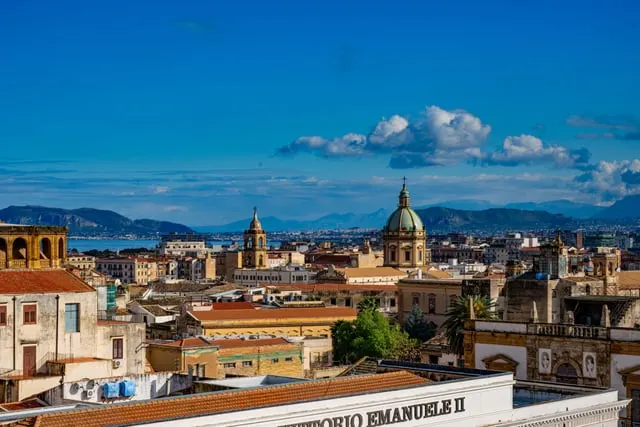
Palermo is the island's largest city and the easiest base for Norman palaces, markets and street food, with Monreale a short ride away.
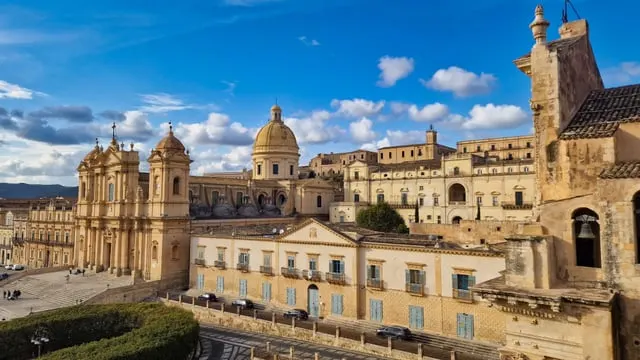
Noto, Modica and Ragusa Ibla are golden baroque towns within an hour of each other in the south-east corner.
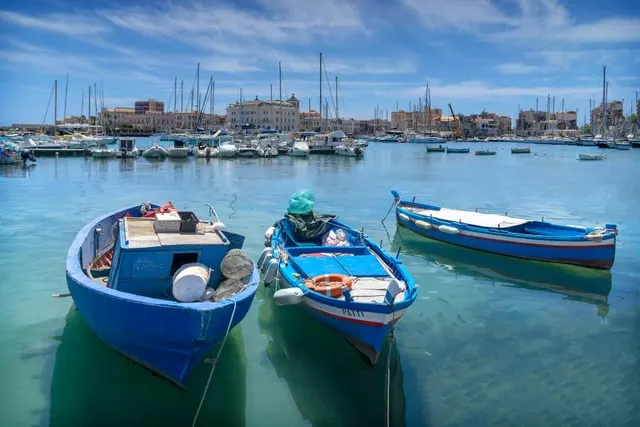
Ortigia is a small island of lanes, squares and sea walls that is the most atmospheric place to stay in the south-east.
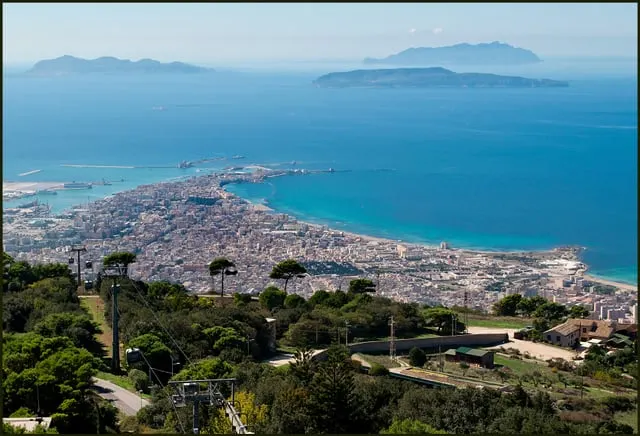
Trapani is a harbour town between salt flats and the hilltop village of Erice, with Segesta, Selinunte and the Zingaro coast within reach.
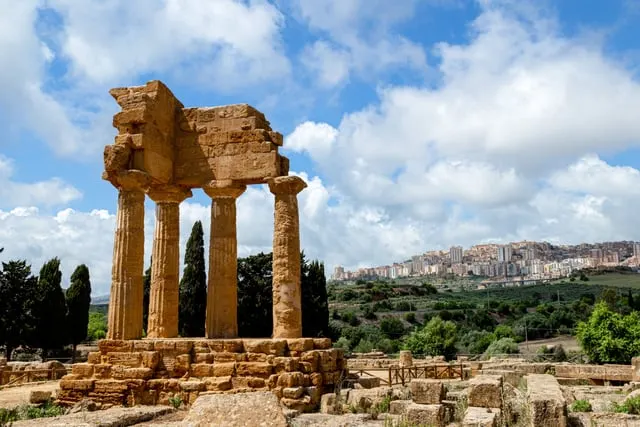
Agrigento is the base for the Valley of the Temples, a very well-preserved Greek site, and for the white cliff of Scala dei Turchi.
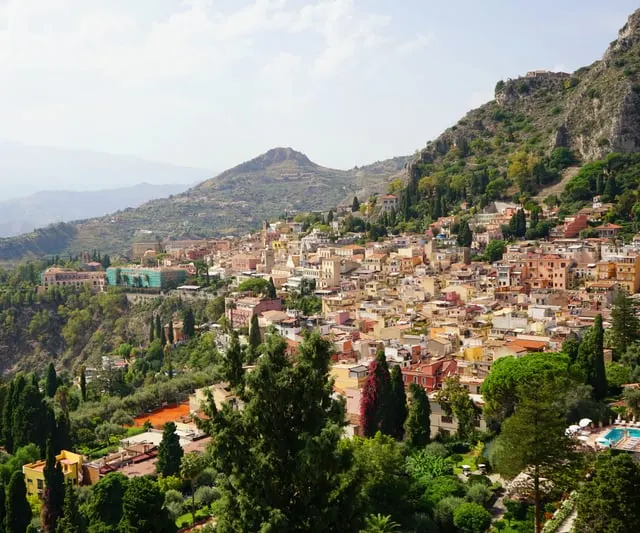
Taormina is a hilltop town above the Ionian Sea with an ancient theatre facing Mount Etna, while Giardini Naxos below it has the beaches.

Catania is a busy black-lava city at the foot of Mount Etna, with a fish market, baroque squares and a strong street-food scene.

Cefalù is a small seaside town with a Norman cathedral, a sandy town beach and a rock to climb above the old quarter.
Road times by car · as of November 2026
Uses cookies
Average highAverage lowRainy days
Typical, based on past years. Not a forecast.
| Month | Average high | Average low | Rainy days |
|---|---|---|---|
| January | 14° | 6° | 8 days |
| January is usually among the wetter and cooler months, with mild days near the coast and plenty of green on the hills. Sights are quiet, the Epiphany holiday on 6 January closes many shops, and snow often arrives on Mount Etna, where the ski season usually starts. | |||
| February | 14° | 6° | 8 days |
| February is still mild by the coast with changeable, sometimes rainy weather, and almond trees begin to bloom around Agrigento. Sant'Agata in Catania on 3 to 5 February and the carnival parades of Acireale and Sciacca bring local crowds; Shrove Tuesday is on 9 February in 2027. | |||
| March | 17° | 8° | 8 days |
| March brings longer sunny spells between showers and the island turns green. The almond blossom festival in Agrigento is usually held in early March, and in 2027 Easter falls on 28 March, so Holy Week processions and the Easter Monday holiday on 29 March fill the last week of the month. | |||
| April | 19° | 11° | 8 days |
| April is usually mild and bright with the countryside at its greenest, good for walking and ancient sites before the heat. School groups and Easter visitors make popular sights busier, the sea is still cool for most swimmers, and 25 April is a public holiday. | |||
| May | 24° | 15° | 5 days |
| May is generally warm and sunny with wildflowers, and the sea is starting to be swimmable for some visitors. The flower carpets of Noto, the classical theatre season at Syracuse and the first-Sunday feast of Santa Lucia make it a lively month, with crowds still well below summer levels. | |||
| June | 28° | 19° | 3 days |
| June turns hot and dry, with the sea comfortable for most people by the end of the month. Taormina hosts its film and book festivals, boat timetables to the Aeolian Islands move to their summer pattern, and 2 June is a public holiday. | |||
| July | 31° | 22° | 2 days |
| July is hot and dry, with beaches and coastal towns filling up from mid-month. Palermo celebrates Santa Rosalia on 14 and 15 July, and the middle of the day is usually too hot for walking around open archaeological sites. | |||
| August | 32° | 22° | 3 days |
| August is typically the hottest and most crowded month, and the sirocco wind can push temperatures higher for a few days. Roads and beaches are busiest around Ferragosto on 15 August, many local businesses take a break, and the theatre festival at Segesta runs late in the month. | |||
| September | 28° | 19° | 7 days |
| September usually keeps summer warmth with the sea at its warmest and noticeably fewer visitors. The couscous festival in San Vito lo Capo, the Bronte pistachio festival and the Santa Rosalia pilgrimage on Monte Pellegrino fall in this month. | |||
| October | 23° | 16° | 9 days |
| October is mild and often pleasant for sightseeing and for Mount Etna, with the first autumn rain arriving and beaches emptying. Ferry and hydrofoil timetables to the Aeolian Islands change to their autumn pattern at the start of the month, and some seaside businesses close for the season. | |||
| November | 19° | 11° | 9 days |
| November is usually among the wetter months, with quiet sights and low crowds. All Saints on 1 November is a public holiday, and the Festa dei Morti on 2 November brings almond-paste fruit and sugar figures to Palermo's pastry shops. | |||
| December | 15° | 8° | 8 days |
| December is mild by the coast, with rain likely and snow on the higher ground around Mount Etna. Santa Lucia in Syracuse on 13 December, Christmas crib displays and markets in Palermo and the holidays of 8, 25 and 26 December shape the month. | |||
Mar · Apr · May
Landscapes turn green and almond and other blossom gives way to warm, mostly settled days, which suits walking and sightseeing. Holy Week processions, flower carpets in Noto and the classical theatre season at Syracuse fall in these months, and school groups tend to appear from Easter onwards.
Jun · Jul · Aug
Hot, dry and sunny, with the sea at its most inviting and the busiest crowds, especially from mid-July to the end of August. Coastal roads and beaches are at their fullest around Ferragosto, and open-air festivals fill the ancient theatres of Taormina, Syracuse and Segesta.
Sep · Oct · Nov
September keeps the warm sea but with fewer visitors, then October and November bring cooler walking weather and the first real rain. Food festivals such as the couscous festival and the Bronte pistachio festival come early in the season, and boat timetables to the islands change at the start of October.
Dec · Jan · Feb
Mild near the coast and wetter than the rest of the year, with quiet sights and fewer visitors. Santa Lucia, Christmas crib displays, Sant'Agata in Catania and the almond blossom season give the months their character, and Mount Etna usually has snow for skiing between January and early March.
Coming up in the next 12 months. to see what falls during your trip.
It falls on a Tuesday in 2026 and often starts the Christmas season, with many Italians taking a long weekend. Check each sight's own page for holiday hours.
Syracuse's patron saint is honoured with a procession of the silver statue from the cathedral in Ortigia, with a long run-up of events in early December. Traditional boiled-wheat sweets are made for the day.
Most sights, shops and restaurants close or open for a short time, and public transport runs a reduced timetable. Plan meals and travel ahead.