Symphony of Lights: cruise
Viator
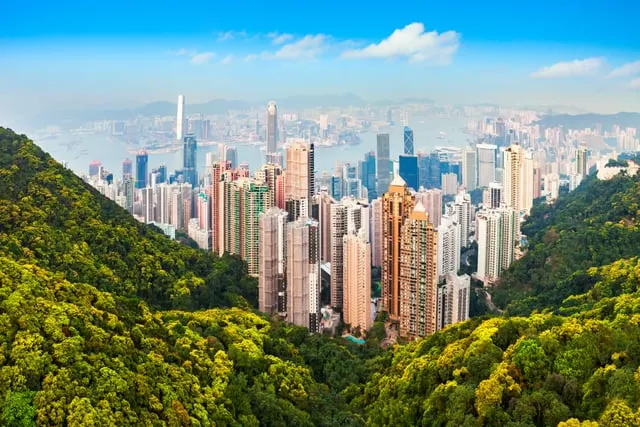
Hong Kong is a harbour city where glass towers, steep green hills and old temples sit side by side. Ride a historic ferry or tram, climb to Victoria Peak, then head out to the islands, beaches and trails a short ride from the skyline.
Maps and trail data © OpenStreetMap contributors (ODbL).
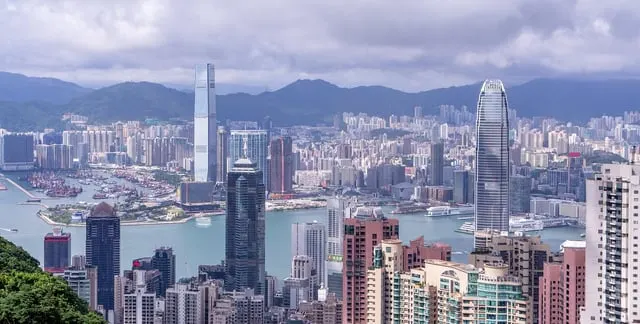
Three days in Hong Kong reach from the monastery hills of Lantau to the Kowloon skyline and the island's quieter southern shore. You start at Victoria Peak and ride the cable car up to the Tian Tan Buddha, give a day to the Star Ferry and the Tsim Sha Tsui waterfront, and close with seaside Stanley, Aberdeen and the Noah's Ark park on Ma Wan.
Long weekend · 3 days · 2 adults ·
 1
 2
 3
 4
 5
1 min walk
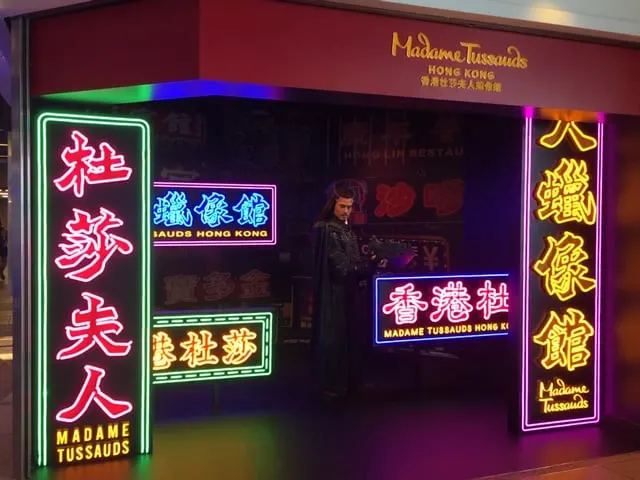
11:01 Madame Tussauds Hong Kong · Morning · 1–2 hMinibus 2 + Bus E11 + Bus 37A · about 47–57 min
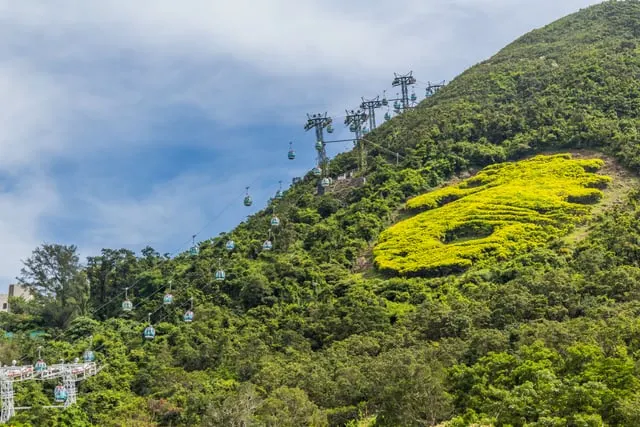
12:58 Ngong Ping 360 Cable Car · Midday · 40–100 minNgong Ping 360 cable car · about 35–45 min
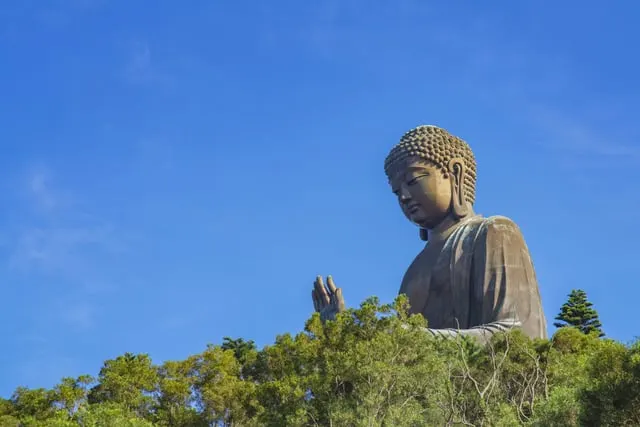
14:23 Tian Tan Buddha (Big Buddha) · Afternoon · 1–2 h6–8 min walk
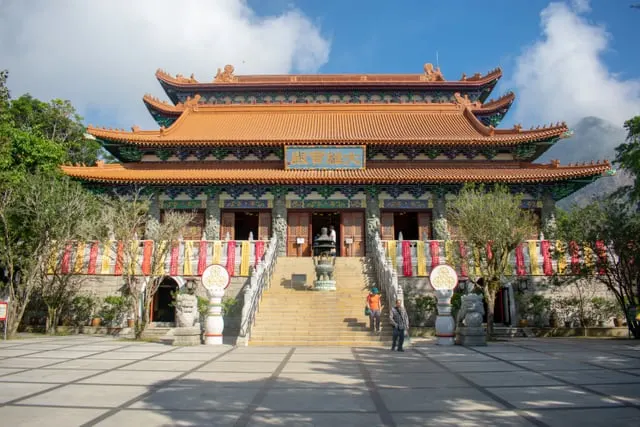
15:29 Po Lin Monastery · Afternoon · 45–90 min3–4 min walk
09:18 Clock Tower (Tsim Sha Tsui) · Morning · 10–20 min1 min walk
09:29 Tsim Sha Tsui Promenade · Morning · 30–60 min4–5 min walk
10:03 Hong Kong Space Museum · Morning · 1–2 h4–5 min walk
11:07 Hong Kong Museum of Art · Morning · 1–2 h6–8 min walk
12:13 Avenue of Stars · Midday · 30–60 min9–12 min walk
12:52 Nathan Road · Midday · 20–45 min6–8 min walk
13:18 Kowloon Park · Midday · 45–90 min12–16 min walk
14:15 Hong Kong Science Museum · Afternoon · 90–150 min1 min walk
15:46 Hong Kong Museum of History · Afternoon · 2–3 hMinibus 40X + Minibus 52 · about 25–28 min
10:58 Aberdeen Fishing Village · Morning · 45–120 minBus 973 + Bus 230R · about 56–97 min
13:20 Noah's Ark (Ma Wan) · Midday · 3–5 hFlights, car rental and airport transfers for your trip: 3 days · 1 adult.
We may earn a commission when you book through partner links, at no extra cost to you.
How Troovz stays freeFly from anywhere, to anywhere.
Pick an area, then a place that fits your budget and style.
First time? We suggest for the sights.
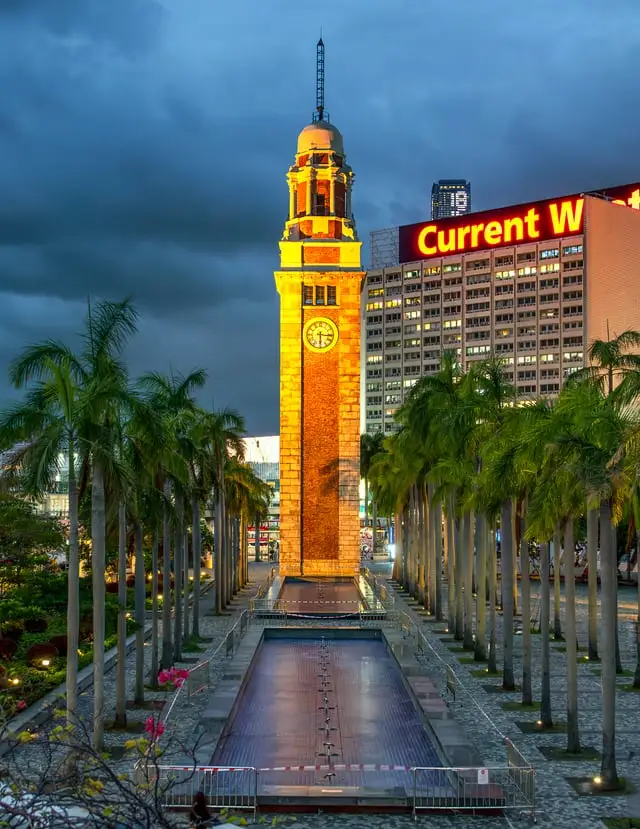
Tsim Sha Tsui sits at the southern tip of Kowloon with the Avenue of Stars, the Symphony of Lights viewpoints and a long run of museums along the harbour. It suits visitors who want skyline views, big museums and the Star Ferry on their doorstep.
Tours and tickets matched to your plan and interests. Tap the heart to save one for Build your own.
We may earn a commission when you book through partner links, at no extra cost to you.
How Troovz stays freeViator
Viator
Viator
Viator
Viator
Viator
Viator
Viator
Tours, day trips and more on Viator
Browse all toursOpen to visitors, with a few customs.
Temples
Temples are usually open to visitors, though inner shrines are often reserved for worshippers. Visitors are usually asked to dress modestly, with shoulders and knees covered, and to take their shoes off where asked, usually before prayer halls. Visitors usually keep their voices down and a respectful distance from altars and offerings, and photographing people praying usually needs their permission first. Rules can vary, so please follow any instructions and ask the staff on arrival.
What to sort before your 3-day trip, plus a few useful words.
We may earn a commission when you book through partner links, at no extra cost to you.
How Troovz stays freePlug type G
230 V, 50 Hz
Mobile data for your trip. Set it up before you fly.
per plan, one phone
See plans(opens in a new tab)Leave your bags for a few hours or a day.
per bag a day
Find storage(opens in a new tab)Tap to hear.
Places to eat near your plan and your stay. Tap the heart to save one.
Chosen from places featured in respected travel and food guides, or on a halal certifier's list, as of October 2026. We don't take payment to include a place.
Please confirm with the restaurant if you have any allergies.
 11 min from Stanley
Sourdough egg tart · The Peak & Southside
Price level$
Sources
Price level: Source: Bakehouse, checked Oct 2026
 21 min from Madame Tussauds Hong Kong
Typhoon shelter fried Boston lobster · The Peak & Southside
Price level$$$
Vegetarian options
Sources
Vegetarian options: Source: the restaurant's own menu
Price level: Source: The Peak Lookout, checked Oct 2026
 32 min from Nathan Road
Tandoori chicken marinated in saffron yoghurt · Tsim Sha Tsui
Price level$$
Halal-certified
Sources
Halal-certified: Listed as halal-certified by Islamic Union of Hong Kong. Please confirm locally.
Price level: Source: Foodie, checked Oct 2026
 43 min from Kowloon Park
Sichuan-style dan dan noodles, meat-free · Tsim Sha Tsui
Price level$
Vegetarian options
Sources
Vegetarian options: Source: the restaurant's own menu
Price level: Source: Foodie, checked Oct 2026
 54 min from Ngong Ping 360 Cable Car
Sourdough egg tart · Lantau
Price level$
Sources
Price level: Source: Bakehouse, checked Oct 2026
 64 min from Nathan Road
Chole bhature · Tsim Sha Tsui
Price level$
Vegan optionsVegetarian options
Sources
Vegan options: Source: the restaurant's own menu
Vegetarian options: Source: the restaurant's own menu
Price level: Source: kailashparbat.com.hk, checked Oct 2026
No places near your plan with this option
 11
Tai O fried rice with shrimp paste · Lantau
Price level$$
Vegetarian options
Sources
Vegetarian options: Source: the restaurant's own menu
Price level: Source: Tai O Heritage Hotel, checked Oct 2026
 12
Chicken satay (sate ayam) · Wan Chai & Causeway Bay
Price level$
Halal-certified
Sources
Halal-certified: Listed as halal-certified by Cathay Pacific. Please confirm locally.
Price level: Source: thehoneycombers.com, checked Oct 2026
 13
Adana lamb kebab with rice · Wan Chai & Causeway Bay
Price level$$
Halal options
Sources
Halal options: Halal options available. Source: the restaurant's own menu. Please confirm locally.
Price level: Source: Istanbul Express, checked Oct 2026
 14
Sourdough egg tart · New Territories
Price level$$
Vegetarian options
Sources
Vegetarian options: Source: the restaurant's own menu
Price level: Source: Bakehouse, checked Oct 2026
 15
Pan-fried beef buns · Kowloon East & North
Price level$
Halal options
Sources
Halal options: Listed as halal by Cathay Pacific. Please confirm locally.
Price level: Source: Foodie, checked Oct 2026
 16
Charcoal-roasted goose · Central & Sheung Wan
Price level$$
Sources
Price level: Source: HK01, checked Oct 2026
Green escapes and the sea, a short trip from the centre. Planning information only.

Open public space

Open public space
One card for most rides on public transport. Airport routes are in Flights.
The standard stored-value card of Hong Kong. Tap it on the reader at MTR gates, buses, trams, ferries and many shops and vending machines; it pays the adult fare automatically. It is lent to you for a refundable deposit, and you can top it up at stations and shops.
Per person, paid locally · as of October 2026
Your 3-day plan usesTram and metroBuses
Taxis run on a meter at regulated fares: urban taxis are red, New Territories taxis green and Lantau taxis blue, each with its own area and fare scale. Tunnel tolls and bags are charged on top, many taxis take Octopus or cards, and it helps to carry some cash and to have your destination written in Chinese characters.
Typical costs, and how to pay.
Excluding your stay.
| Per person, per day | Budget | Mid-range | Comfort |
|---|---|---|---|
| Breakfast | HKD 28 | HKD 38 | HKD 228 |
| Lunch | HKD 55 | HKD 62 | HKD 341 |
| Dinner | HKD 62 | HKD 341 | HKD 745 |
| Drinks | HKD 11 | HKD 38 | HKD 64 |
| Getting around | HKD 75 | HKD 75 | HKD 115 |
| Sights (entry tickets) | HKD 259 | HKD 259 | HKD 259 |
| Total a day | HKD 490 | HKD 813 | HKD 1,752 |
Sights are counted at the standard entry ticket. Guided tours cost more.
Typical prices, as of October 2026
Cards and contactless payments are widely accepted in hotels, shops and many restaurants. Street vendors and most taxis still expect cash, and an Octopus card or Octopus on a phone covers transport, convenience stores and many chain restaurants.
ATMs run by banks are usually cheaper than stand-alone machines, though many banks also charge foreign cards a fee. If asked, choose to be charged in Hong Kong Dollar. Your own bank may also charge a foreign-use fee. Check with your bank before you go.
Tipping is not expected in Hong Kong. Many sit-down restaurants add a 10 percent service charge to the bill, taxi fares are usually rounded up, and hotel porters and housekeeping typically receive a small cash tip.
Tsim Sha Tsui
Seasons, weather, and the events and holidays that change opening hours, crowds and prices.
Quick answers to common questions.
Plan on three to five days for the main sights, and more if you add islands. Allow about 120 to 240 minutes for Victoria Peak, 60 to 120 minutes for the Tian Tan Buddha, 120 to 180 minutes for M+ and 90 to 180 minutes for Stanley, plus time to wander the markets and the harbour front. Lamma Island and Cheung Chau each suit a separate day.
It depends on what you want. Hong Kong has a subtropical climate: hot, humid and wet from May to September, sunnier and drier from October to December, and cooler and cloudier from January to March. Visitor numbers from outside the Mainland usually peak from October to December and again in March and April, and are lowest from June to September. August is the busiest month once Mainland visitors are counted.
Summers are hot and humid with frequent heavy showers; June and August are usually the wettest months. Tropical cyclones are most likely between July and September. October to December is typically the sunniest and driest stretch, and winter days from January to March are cooler and often cloudy. Monthly notes are on the seasons page.
The Airport Express train is the simplest link: a single journey costs from HKD 73 to HKD 120 depending on the station, and the ride to Hong Kong station is short. Public buses reach Central in about 24 to 24 minutes. Taxis run on the meter and typically cost around HKD 250 to HKD 350 to Central, depending on traffic and tunnel tolls. As of 20 Oct 2026.
It is not required, but it is the usual way to pay for the MTR, buses, trams, ferries and many shops. The adult on-loan Octopus costs HKD 200 at purchase, which is a refundable deposit of HKD 50 plus stored value. The Tourist Octopus costs HKD 170 and is sold at the airport station. A contactless bank card or phone also works on the MTR at the same adult fare, with no card to buy. As of 20 Oct 2026.
The MTR is the backbone: adult fares with Octopus run from HKD 4 to HKD 34.60 per journey on the urban lines. A Tourist Day Pass gives a full day of unlimited MTR, Light Rail and MTR Bus rides from HKD 75. Buses, trams, minibuses and ferries cover the rest, including the Star Ferry across the harbour. Taxis run on the meter with a starting charge of HKD 29, and Uber and FlyTaxi also book licensed taxis. As of 20 Oct 2026.
Hotels are often the largest cost, and some of the city is free to enjoy on foot, such as the markets, Kowloon Park and the Mid-Levels Escalator. Transport is modest: the Star Ferry costs from HKD 4 and a Tourist Day Pass from HKD 75. For an adult, M+ costs HKD 190, the Hong Kong Palace Museum HKD 70 and Madame Tussauds Hong Kong HKD 249. Prices shown are usually the price you pay, because Hong Kong has no sales tax. Prices change, so check each place. As of 20 Oct 2026.
Tipping is not expected. Many sit-down restaurants add a service charge of about 10 percent to the bill, so look at the bill before adding more. In casual local cafes nothing extra is expected, taxi fares are usually rounded up, and hotel porters typically receive a small cash tip. As of 20 Oct 2026.
Cards, phones and watches are widely accepted in hotels, shops and many restaurants, and Octopus covers transport, convenience stores and many chain restaurants. Street vendors, market stalls and most taxis still expect cash. Cash machines are easy to find at MTR stations and on main streets; if one offers to charge you in your home currency, choose Hong Kong dollars.
Hong Kong uses 230 V at 50 Hz, with plug type G, the three rectangular-pin sockets also used in the United Kingdom. Many phone and laptop chargers accept this voltage, but visitors from countries with different sockets will need a plug adapter. Check the label on each charger: if it lists a voltage range that includes this one, only the plug shape needs changing.
Chinese and English are both official languages, and Cantonese is the everyday spoken language. Signs on the MTR and in most public places are in both. The latest EF English Proficiency Index ranks Hong Kong number 39 of 123 countries and regions, with a score of 538, where a higher score means stronger English. A few words of Cantonese are always appreciated, and the phrases section lists some. As of 20 Oct 2026.
Yes. Each restaurant page says where its halal listing comes from: a certifier named on the page, a halal guide, or the restaurant's own menu. Wording differs by place, so read the label on each page. Please confirm locally with the restaurant before you go, especially for hours and ingredients.
Walking is the main free pleasure. The Tian Tan Buddha statue, Po Lin Monastery, Kowloon Park, Hong Kong Park, Nan Lian Garden, Chi Lin Nunnery and the Zoological and Botanical Gardens all have free entry. The Ladies Market, Temple Street Night Market, the Goldfish Market and the Mid-Levels Escalator are free to walk through, and the Symphony of Lights is free to watch. Some museums are free at set times, so check each page before you go. As of 20 Oct 2026.
Lamma Island is about 30 minutes by ferry from Central, Cheung Chau about 40 to 60 minutes by ferry, Tai O about 90 minutes by ferry and bus, and Sai Kung town about 43 to 52 minutes from Central by MTR and minibus. The Ping Shan Heritage Trail in the New Territories is about 28 to 46 minutes from Central by bus. Most trips take a large part of the day. As of 20 Oct 2026.
Yes, there is plenty for families. Ocean Park costs HKD 538 for an adult with a lower child rate, and Noah's Ark HKD 198; allow most of a day for Ocean Park, about 300 to 480 minutes, and even longer for Hong Kong Disneyland. The Tourist Day Pass has a child rate of HKD 35, and the Star Ferry, the Peak Tram and the trams are short rides that children usually enjoy. As of 20 Oct 2026.
Access varies by place, so check each page. The operators of M+, the Hong Kong Museum of History, Ocean Park and Madame Tussauds describe lifts or accessible routes, and the Ngong Ping cable car has a level boarding platform, though wheelchair users must board with an able-bodied person. Hills, stairs and older buildings can limit access elsewhere, so plan routes with lifts where you can. As of 20 Oct 2026.
Rules for entering Hong Kong depend on your nationality and can change. Check your government's official travel advisory before you go.
For a first visit, three days usually cover the headline sights: the Tian Tan Buddha, Victoria Peak, the Star Ferry, the Tsim Sha Tsui waterfront and Stanley. The trams and lanes of Sheung Wan, M+ and the Hong Kong Palace Museum in West Kowloon, and the markets of Mong Kok come on later days of the plan. As of 25 Oct 2026.
Start at Victoria Peak and Madame Tussauds, then ride the Ngong Ping cable car up from Tung Chung to the Tian Tan Buddha and Po Lin Monastery. Next morning, take the Star Ferry to Tsim Sha Tsui for its waterfront, Kowloon Park and four museums. The third day follows the south coast from Stanley's seafront market to Aberdeen Fishing Village, then ends at the Noah's Ark park on Ma Wan. As of 25 Oct 2026.
Entry to much of the three-day plan costs nothing: Po Lin Monastery, the Tian Tan Buddha platform, Kowloon Park and the permanent galleries of the Museum of Art and the Museum of History are free. Adult tickets cost HKD 249 for Madame Tussauds, HKD 10 for the Space Museum, HKD 20 for the Science Museum, HKD 198 for Noah's Ark and HKD 295 for a standard cable car round trip, and the Star Ferry costs from HKD 4. The Airport Express to Hong Kong station is HKD 120 each way, and a Tourist Day Pass for the MTR costs from HKD 75. The Plan at a glance box above the plan shows the entry total per adult. Prices change, so check each place. As of 20 Oct 2026.
Average highAverage lowRainy days
Typical, based on past years. Not a forecast.
| Month | Average high | Average low | Rainy days |
|---|---|---|---|
| January | 18° | 15° | 6 days |
| January is cool, often cloudy and one of the driest months of the year, with the odd cold spell followed by dry northerly winds. The Hong Kong Marathon weekend usually falls in the middle of the month and fills the streets along the course, and Lunar New Year decorations begin to appear in the shops. | |||
| February | 19° | 16° | 10 days |
| February is cool and often cloudy, with some drizzle and the occasional cold front. Lunar New Year brings flower markets, lion dances and festive lights, and some local shops and restaurants close for several days; in 2027 the holiday starts on 6 February, and the Hong Kong Arts Festival begins in the second half of the month. | |||
| March | 21° | 18° | 13 days |
| March turns milder and more humid, with drizzle and fog on some days. The Arts Festival, the Flower Show in Victoria Park and Art Basel Hong Kong fill the cultural calendar, and in 2027 Easter weekend starts on 26 March. | |||
| April | 24° | 22° | 15 days |
| April is warm and humid, with more rain than earlier in the year and an occasional foggy or drizzly day. The Hong Kong Sevens rugby weekend (9 to 11 April in 2027), Ching Ming on 5 April and the Tin Hau festival all usually fall in this month. | |||
| May | 27° | 25° | 20 days |
| May is hot, humid and wet, with showers and thunderstorms common and the first tropical storms possible by the end of the month. The Cheung Chau Bun Festival and the Buddha's Birthday holiday fall in the middle of the month (10 to 14 May and 13 May in 2027). | |||
| June | 29° | 27° | 24 days |
| June is hot and humid and, with August, usually the wettest month, with frequent heavy showers and thunderstorms. Dragon boat races mark the Tuen Ng holiday, which falls on 9 June in 2027. | |||
| July | 30° | 27° | 23 days |
| July is the hottest month, with long humid days, a spell of fine dry weather that can last a week or two, and tropical cyclones most likely to affect the city from July to September. Hong Kong SAR Establishment Day on 1 July is a public holiday. | |||
| August | 30° | 27° | 24 days |
| August is hot, humid and wet, one of the two wettest months, and still within the peak months for tropical cyclones. Overall visitor arrivals reach their highest level of the year in August, mainly from the Mainland during the summer holidays, and the Hungry Ghost Festival usually falls in August or early September. | |||
| September | 29° | 26° | 18 days |
| September is still hot and humid, with showers and the last of the peak months for tropical cyclones, though the heat begins to ease by the end of the month. The Mid-Autumn Festival (15 September in 2027) brings lantern displays and the Tai Hang fire dragon dance. | |||
| October | 27° | 24° | 8 days |
| October is warm, sunnier and noticeably drier than the summer months, and the start of the most comfortable stretch of the year. National Day on 1 October is a public holiday, and in 2027 Chung Yeung falls on 8 October. | |||
| November | 24° | 20° | 6 days |
| November is mild, dry and sunny, with pleasant breezes, and many people regard it, together with December, as the most comfortable time of year. The Hong Kong Cyclothon usually takes place in late November and the Winterfest lights start to appear in Central. | |||
| December | 20° | 16° | 5 days |
| December is cool, dry and sunny, with the lowest rainfall of the year. Christmas lights and the Winterfest displays fill Central, the Clockenflap music festival usually takes place in early December, and Christmas Day is a public holiday. | |||
Mar · Apr · May
Spring is milder and increasingly humid, with drizzle and fog on some days in March and April and hot, wet weather arriving by May. The Arts Festival, Art Basel, the Flower Show, the Sevens, Ching Ming and the Cheung Chau Bun Festival make it a busy time for events.
Jun · Jul · Aug
Summer is hot, humid and wet, with showers and thunderstorms, June and August usually the wettest months and tropical cyclones most likely from July to September. Dragon boat races, long school-holiday crowds and the Hungry Ghost Festival fill the calendar.
Sep · Oct · Nov
Autumn starts hot and humid in September and turns sunnier, drier and more comfortable from October, with November one of the most pleasant months of the year. Mid-Autumn lanterns, the fire dragon dance, Chung Yeung and the first Christmas lights give the season its events.
Dec · Jan · Feb
Winter is cool and mostly dry, with sunny spells in December and cloudier days in January and February, and the occasional cold front. Christmas lights, the Marathon, Lunar New Year and the Lantern Festival keep the city busy while the weather is at its driest.
Coming up in the next 12 months. to see what falls during your trip.
The holiday gives a long weekend in 2026. Many venues change their hours, so check ahead.
It is a Friday in 2027, giving a long weekend. Opening hours often change on this day, so confirm before you set out.
Crowds line the course, so crossing the route can take longer than usual that morning.